


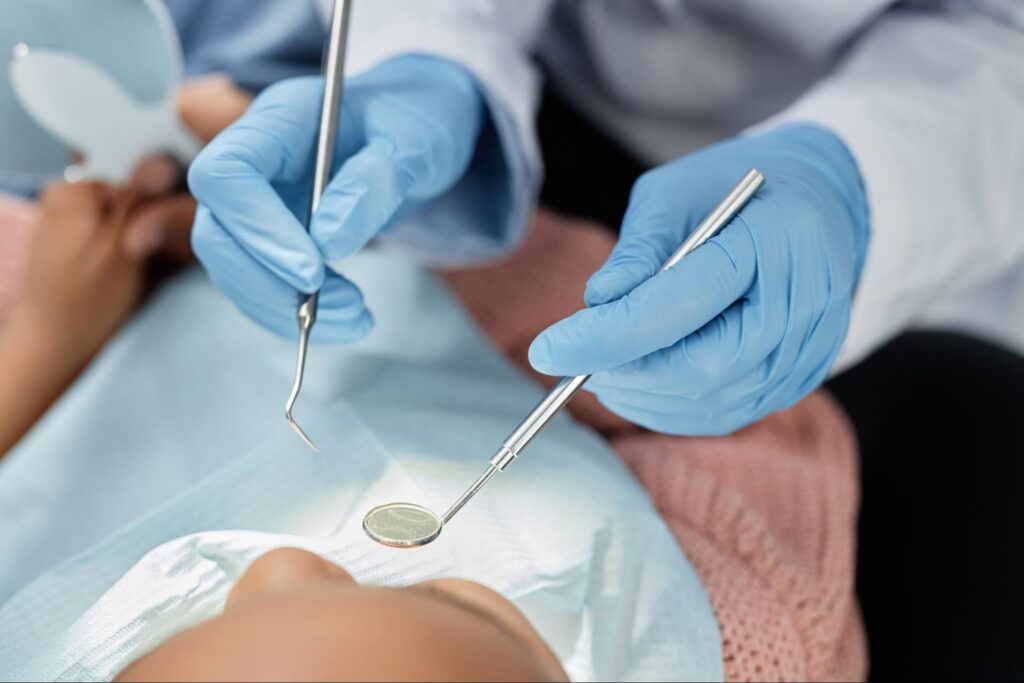
Learn how to prepare, recover, and feel your best after your wisdom teeth removal.
What Is Wisdom Teeth Removal?
Wisdom teeth, the last set of molars typically appearing in late adolescence or early adulthood, can often lead to dental crowding, discomfort, or infections.
Sometimes these teeth mind their manners and fit right in; other times, they crowd, push, or simply refuse to come out, causing discomfort or other dental problems.
Wisdom teeth removal is a straightforward dental procedure designed to prevent these issues and promote better oral health.
With today’s caring approach and modern techniques, the process is manageable and helps maintain lifelong oral health.
It’s normal to wonder about wisdom tooth surgery, the removal cost, and what your recovery will look like.
Consulting with Dr. Elston Wong Dentistry can help you understand your best options and move forward with confidence. With a supportive care team and some simple steps, your experience can be smooth and reassuring.
Preparing for Wisdom Teeth Removal
Comprehensive preparation starts at your initial consultation, where dental professionals review your x-rays and discuss the best sedation or anesthesia options. You’ll have the opportunity to ask any questions, no concern is too small.
How Should I Prepare for Wisdom Teeth Removal?
Avoid eating or drinking for several hours before surgery if sedation or anesthesia is planned.
Arrange for someone to drive you home post-procedure. Jot down your questions or concerns so you remember to address them during your visit.
Patients at Dr. Elston Wong Dentistry often find these pre-surgery consultations reassuring, as the team explains every step with clarity and patience.
How Long Does This Procedure Take?
For most patients, the procedure lasts under an hour. Some additional time is needed for prep and initial recovery before you head home.
Wisdom Teeth Extraction
What Happens During the Procedure
You will be made comfortable with sedation or local anesthesia. Whether your wisdom teeth are visible or impacted, your dentist or oral surgeon will safely remove them, sometimes with a few stitches to assist healing.
Wisdom Tooth Surgery Recovery
What to Expect After Wisdom Tooth Removal
Swelling, mild bleeding, and some soreness are common, especially during the first couple of days.
Many people notice that Day 2 or 3 brings the peak of discomfort, but improvement soon follows.
Dr. Wong gives his patients clear, easy-to-follow post-op instructions to help manage discomfort and speed up healing. Rest and follow your aftercare instructions for the smoothest recovery.
Dos and Don’ts After Wisdom Teeth Removal Surgery
Dos:
✔️ Use ice packs as advised to minimize swelling.
✔️ Eat soft foods that require little to no chewing (see suggestions below).
✔️ Keep your head slightly elevated while resting.
✔️ Rinse gently with salt water after the first day.
✔️ Take all medications as instructed.
Don’ts:
❌ Don’t use straws or spit forcefully.
❌ Avoid smoking or drinking alcohol while you heal.
❌ Don’t brush directly on the extraction site in the first 24 hours.
❌ Skip hard or crunchy foods for at least a week.
Risks & Benefits
What Are the Benefits of Removing Wisdom Teeth?
- Prevents overcrowding and misalignment.
- Reduces risk of pain, recurrent infection, and gum disease.
- Stops damage to neighbouring teeth and roots.
- Helps protect adjacent teeth and oral health overall.
What Are the Risks or Complications of Extraction?
- Dry socket (delayed healing).
- Swelling or infection, rare but treatable.
- Temporary jaw stiffness.
- Most complications are mild and resolve with proper care.
Dr. Wong believes in doing what’s best for the patient, not jumping to extractions unless they are truly needed. His consultations reflect that honesty.
Recovery and Outlook
How Long Does It Take To Recover After Wisdom Teeth Removal?
Most people find that recovery from wisdom teeth removal takes about 7 to 10 days. Swelling and soreness are usually most noticeable in the first few days, but these symptoms quickly start to improve.
By the end of the week, you should be feeling much better and able to return to your usual routine. If discomfort lasts longer than expected, it’s always a good idea to check in with your dentist.
What’s the Toughest Day After Wisdom Tooth Extraction?
For most people, the second or third day after wisdom teeth removal is usually the most uncomfortable.
This is when swelling and soreness often peak, and it’s normal to feel a bit more tender during this time.
Fortunately, with proper care and rest, symptoms start to noticeably improve after these first few days, and you will begin to feel better as the week continues.
If your pain gets worse or doesn’t start to improve after the third day, be sure to contact your dentist for advice.
What to Eat After Wisdom Teeth Removal
Stick to liquids right after surgery. Begin introducing soft foods by Day 2. Crunchy, hard, or chewy foods should be avoided for a week to allow proper healing. Here are some of the foods to eat after wisdom teeth removal:
- Mashed potatoes
- Yogurt
- Smoothies (no seeds, served with a spoon)
- Applesauce
- Scrambled eggs
- Pudding or Jello
These options support healing while keeping you comfortable.
When Can I Go Back to Work or School?
You can usually return to work or school 2–3 days after wisdom teeth removal if you are feeling up to it. Start with lighter activities and wait until your discomfort has eased before resuming anything strenuous. If you need more time, take it easy and check with your dentist if you have concerns.
When Should I Call My Dentist/Oral Surgeon?
Reach out if you notice:
- Increasing pain after Day 3
- Fever or chills
- Persistent swelling or pus after Day 4
- Difficulty breathing or swallowing
Frequently Asked Questions
Q – How long does wisdom tooth removal take?
The removal procedure itself usually takes less than an hour, depending on how many teeth are being extracted and how complex the case is. Including preparation before surgery and the short recovery period afterwards, you can expect to be at the dental office for about 1.5 to 2 hours in total, depending on your dentist’s procedure.
Q – How long does healing take?
Most people recover completely from wisdom teeth removal in about 7–10 days. During the first two or three days, you might notice more swelling or tenderness, but this quickly improves. By the end of the week, you should notice most symptoms have faded, and the area will continue to heal over the next couple of weeks.
Q – Is brushing OK after wisdom teeth removal?
You can resume gentle brushing the day after your surgery, but take care not to disturb the extraction site. Use a soft-bristled toothbrush and avoid vigorous rinsing or spitting on the first day to protect the healing area.
Q – How soon can I speak clearly?
You will be able to speak after your wisdom teeth removal, although you might feel some numbness, swelling, or mild discomfort at first. Most people find their speech is nearly back to normal within a day, but it may take a bit longer if you experience extra swelling or have had multiple teeth removed.
Q – What to Eat After Wisdom Teeth
After wisdom teeth extraction, choosing the right foods can make a significant difference in your recovery experience. Focus on soft, nutritious options that won’t irritate your healing gums or dislodge blood clots. Here are foods to eat after wisdom teeth removal:
- Mashed potatoes
- Yogurt
- Smoothies (no seeds, served with a spoon)
- Applesauce
- Scrambled eggs
- Pudding or Jello
Q – What kind of approach does Dr. Wong take with wisdom teeth?
Patients often say they appreciate how Dr. Wong does not rush into procedures. At his clinic, the focus is on clarity and comfort, making sure you understand your options, and only moving forward when it genuinely makes sense.