


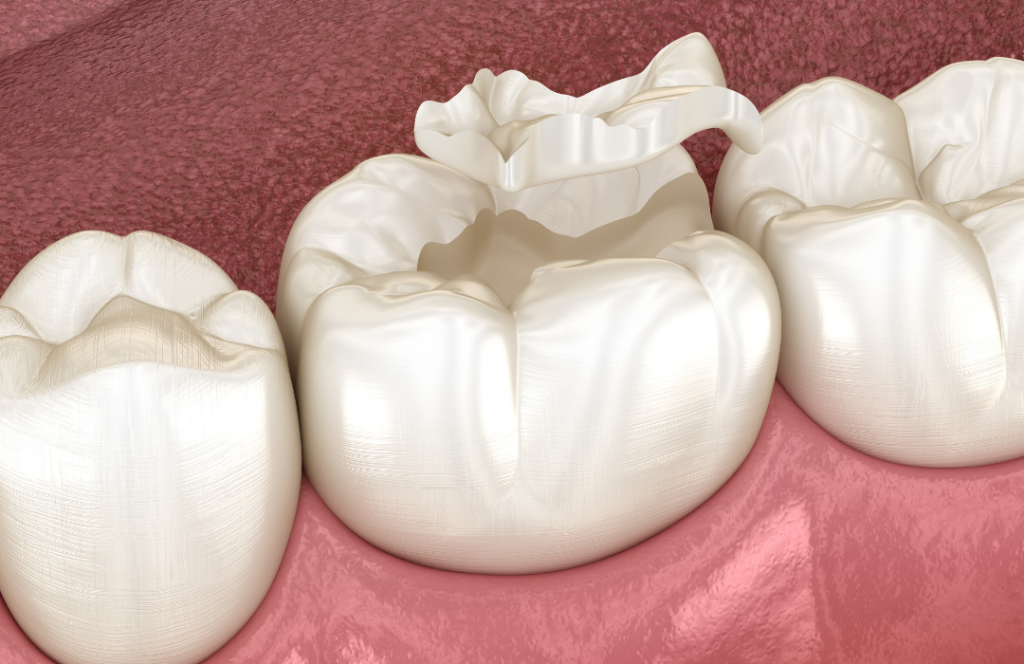
Understand the importance of enamel, what causes it to erode, and how to keep your smile strong
Your teeth work hard every single day, chewing, biting, grinding, and helping you speak clearly.
Have you ever stopped to consider what shields your teeth from constant daily use and pressure?
The secret is an extraordinary material that surpasses steel in hardness while remaining incredibly thin. Welcome to the fascinating world of tooth enamel, your smile’s unsung hero.
Dr. Wong often reminds patients that enamel is the first and most important line of defense for a healthy smile.
Enamel Meaning
When we talk about enamel meaning in dental terms, we are referring to the protective outer shell that covers each of your teeth. Think of it as nature’s custom-made armour for your pearly whites.
This is the kind of patient education that Dr. Wong and his team prioritize during routine dental checkups, he believes that informed patients make better choices.
What Is Tooth Enamel?
What is tooth enamel exactly? This clear, pearl-colored coating forms the protective exterior of every tooth crown.
Made primarily of minerals like calcium and phosphate arranged in a crystalline structure called hydroxyapatite, it is the hardest substance in your entire body, even harder than your bones!
Yet here’s the catch: despite being incredibly strong, it is also vulnerable to erosion from acids and everyday wear.
It’s like having a superhero with one weakness, and unfortunately, that weakness is pretty common in our modern diets.
What Is the Main Function of Enamel?
It functions like a protective shield for your teeth, defending against various everyday challenges:
- Acid attacks from food, drinks, and bacteria
- Physical pressure from biting and chewing
- Sudden temperature shifts from steaming beverages to frozen treats
- Bacterial invasion that could lead to decay
Without this protective barrier, your teeth’s sensitive inner layers, the dentin and pulp, would be exposed to pain, sensitivity, and infection.
In essence, it ensures your teeth remain pain-free and operational throughout your life.
According to Dr. Elston Wong, maintaining enamel strength is one of the simplest ways to avoid complex dental issues down the road.
What Causes Enamel Erosion?

Multiple elements can slowly damage your enamel over time:
- High-acid consumables like citrus produce, carbonated beverages, and fruit drinks
- Frequent snacking on sugary or starchy foods
- Poor oral hygiene allows plaque buildup
- Aggressive brushing with hard-bristled toothbrushes
- Dry mouth conditions reduce protective saliva
- Acid reflux brings stomach acid into contact with teeth
- Teeth grinding during sleep or stress
What Causes Tooth Enamel Erosion?
The good news is that the majority of enamel damage can be avoided with straightforward everyday practices.
Your morning routine, eating patterns, and oral care choices all play crucial roles in protecting your enamel. Minor adjustments, such as using gentler toothbrushes or washing your mouth with water after consuming acidic drinks, can dramatically help maintain enamel strength over time.
How Enamel Protects Your Teeth
Think of it as a fortress wall protecting a castle. When intact, it keeps harmful bacteria, acids, and temperature changes from reaching the sensitive dentin and pulp inside your teeth.
The dentin contains tiny tubes that connect to your tooth’s nerve, so when it wears thin, you might experience that sharp, shooting pain when eating ice cream or drinking hot coffee.
As it erodes, teeth become increasingly vulnerable to cavities, sensitivity, and discoloration. Since dentin beneath it has a yellowish tint, thinning enamel typically results in tooth discoloration.
Does Plaque Cause Enamel Erosion?
Absolutely! Plaque resembles a tacky bacterial coating that continuously develops on tooth surfaces.
These bacteria feed on sugars from food and produce acids as waste products, acids that directly attack and weaken your enamel.
This is why consistent brushing, flossing, and professional cleanings are so crucial for its protection.
What Are the Signs of Enamel Erosion?
Watch for these warning signs that your enamel may be wearing away:
- Heightened discomfort when consuming hot, cold, or sugary items
- Yellowing teeth as dentin shows through thinning enamel
- Rough or uneven tooth edges
- Tiny indentations or cavities appearing on teeth
- Transparent-looking tooth edges
- More frequent cavities
- Pain when biting down
How Do You Prevent Enamel Loss?
Taking preventive steps offers the most effective enamel protection:
- Use fluoride toothpaste twice daily to strengthen it
- Stay well-hydrated to support optimal saliva production
- Limit acidic drinks and use a straw when you do indulge
- Wait 30-60 minutes after eating before brushing
- Choose a soft-bristled toothbrush and gentle brushing technique
- Chew sugar-free gum to stimulate protective saliva
- Schedule regular dental checkups for professional monitoring
Dr. Wong recommends regular six-month visits not just for cleanings, but to detect and address early enamel erosion before it escalates.
Can You Get Too Much Fluoride?
Although fluoride effectively reinforces enamel, balanced usage remains important. Excessive fluoride exposure during childhood can cause dental fluorosis, white or brown spots on teeth.
For most people using standard fluoride toothpaste and drinking fluoridated water, this is not a concern.
Should you have concerns about fluoride consumption, consult your dental professional instead of eliminating this helpful element.
How Is Tooth Enamel Loss Treated?
While it can’t regenerate like other body tissues, several treatments can help:
- Fluoride treatments to remineralize and strengthen remaining enamel
- Dental bonding using tooth-colored resin to protect and restore appearance
- Veneers for severely damaged front teeth
- Crowns for teeth with extensive enamel loss
- Enamel repair gels containing calcium phosphates
Does Tooth Enamel Grow Back?
Here’s the straightforward answer: No, tooth enamel does not grow back once it’s lost.
Unlike bones, enamel contains no living cells that could regenerate damaged tissue. But don’t despair! Although its regeneration is not possible, you can rebuild and fortify existing enamel using fluoride therapy, excellent oral hygiene, and dental procedures.
What Causes Loss of Enamel on Teeth?
Your daily habits have more impact on your health than you might realize. That afternoon soda, aggressive brushing after breakfast, or nighttime teeth grinding all contribute to gradual enamel wear.
Surprisingly, even beneficial practices such as regular citrus intake or frequent whitening treatments can become harmful when overdone.
How Can I Take Care of My Tooth Enamel?
Create an enamel-friendly routine with these daily habits:
✔️ Morning: Brush gently with fluoride toothpaste
✔️ After meals: Rinse with water, especially after acidic foods
✔️ Throughout the day: Choose water over sugary or acidic drinks
✔️ Evening: Floss and brush before bed
✔️ Weekly: Use fluoride mouthwash 2-3 times
✔️ Every 6 months: Visit your dentist for checkups and cleanings
Remember, protecting your enamel is an investment in your long-term oral health. At Dr. Elston Wong Dentistry, the focus is on long-term preventive care, not just quick fixes.
Dr. Wong’s thoughtful, evidence-based approach ensures patients receive the education and tools they need to maintain enamel strength throughout life.