


Wisdom Teeth
From identifying symptoms to post-extraction recovery tips, here’s everything you need to know about wisdom teeth.
Countless individuals find themselves curious about it and their potential impact on oral health. This guide offers answers with clarity and calm, no dental anxiety required.
Whether you are experiencing discomfort in the back of your mouth or simply curious about these mysterious molars, understanding it can help you make informed decisions about your oral health.
If you are wondering whether your symptoms point to a wisdom tooth issue, Dr. Elston Wong Dentistry offers expert consultations to help you get clarity and peace of mind.

What are Wisdom Teeth?
Your final set of molars, known as wisdom teeth, usually make their appearance during the late teenage years or early twenties.
Also known as third molars, these teeth are located at the very back of your mouth, two on top and two on the bottom. Unlike your other adult teeth that developed during childhood, it doesn’t start forming until you are about seven or eight years old.
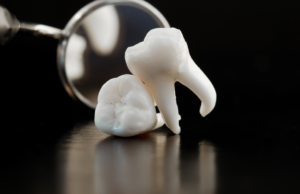
These molars earned their unique name from their late arrival timing. They usually appear when wisdom teeth grow in, most commonly emerging between ages 17-21, these teeth arrive during years historically linked to developing wisdom and maturity.
Functions of Wisdom Teeth
Why Do We Have Wisdom Teeth?
Understanding these molars requires examining our evolutionary history. Early humans had much wider jawbones and ate tough, coarse foods that required extensive grinding and chewing.
Before cooking methods and cutting tools existed, early humans relied on these powerful grinding teeth to process tough, raw foods essential for survival.
However, through evolutionary changes, our jawbones have become narrower over time. Today’s softer diets and advanced food preparation methods mean wisdom teeth have largely become unnecessary for modern humans, though they didn’t get that memo.
How Do I Know If I Have Wisdom Teeth?
Good news for many: not everyone has them. Those asking, “does everyone have wisdom teeth?” The answer is no.
Studies show that anywhere from 5% to 37% of people are missing one or more, with some people having none at all.

Dental X-rays provide the most reliable method for determining its presence. Your dentist can use a panoramic X-ray to reveal whether your wisdom teeth exist and their current position, even if they haven’t emerged yet.
At Dr. Elston Wong Dentistry, panoramic imaging is part of routine assessments when evaluating jaw development and wisdom tooth positioning, especially helpful for teens and young adults still waiting on those third molars.
Understanding the Anatomy of Wisdom Teeth
Why Is It Called a Wisdom Tooth?
These teeth received their “wisdom” designation due to their late emergence timing. Since these molars typically appear during late adolescence or early adulthood, when a person is presumably becoming “wiser”, they earned this distinctive name. Interestingly, in Spanish, they are called “las muelas del juicio,” which translates to “molars of judgment.”

Where Are My Wisdom Teeth Located?
They are positioned at the very back of your upper and lower jaws, behind your second molars. Positioned at the far back corners of your mouth, these teeth present the greatest cleaning challenges.
How Many Wisdom Teeth Do Humans Have?
Most people have four wisdom teeth, but this number varies significantly. Some individuals have fewer than four, while others have none at all. Multiple factors, including heredity, environmental conditions, nutrition, and jaw usage patterns, affect this variation.
What Do Wisdom Teeth Look Like?
These teeth share the same broad, flat structure as other molars, featuring several grinding cusps.
However, when there is not enough space in your mouth, they may emerge at odd angles or only partially break through the gums, a condition called impaction.
Symptoms of Wisdom Teeth Infection
How to Know If Your Wisdom Teeth Are Causing Problems
Recognizing the early signs of wisdom tooth issues can help you address problems before they become serious. Common symptoms include:
- Gum swelling, particularly behind your second molars
- Jaw pain that may be mild or occasionally sharp
- Bleeding or tender gums around the eruption site
- Difficulty opening your mouth wide
- Persistent halitosis or unusual mouth taste
- Tiny white spots appearing behind your back molars
These symptoms often indicate that your wisdom teeth are impacted or don’t have enough space to emerge properly.
Should Wisdom Teeth Be Removed?
Their removal is not always necessary. If your wisdom teeth erupt in an upright, functional position without causing pain or crowding, they may not need extraction. Removal is often recommended when it cause:
- Persistent pain or discomfort
- Crowding of other teeth
- Gum infection or disease
- Cavities from inadequate cleaning access in these remote mouth locations
- Cysts or other complications
How to Care for Your Wisdom Teeth
How Can I Care for My Wisdom Teeth?
When it remains trouble-free, excellent oral hygiene becomes crucial. This includes:
- Gentle brushing using soft bristles, with special focus on difficult-to-access zones
- Using antimicrobial mouthwash to reduce bacteria buildup
- Regular dental checkups for professional monitoring
- Gentle flossing around wisdom teeth when possible
Immediate Post-Surgery Care (First 24 Hours):
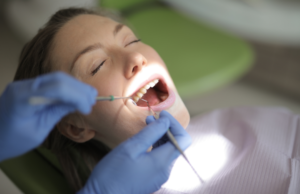
Following the extraction, appropriate aftercare supports recovery and avoids problems:
- Rest and avoid physical activity to prevent bleeding
- Apply ice packs to reduce swelling (15 minutes on, 15 minutes off)
- Take prescribed medications as directed by the professional
- Skip mouth rinsing, spitting, and straw use to avoid dry socket formation
- Eat only soft, cool foods
Ongoing Care (Days 2-7):
- Begin gentle saltwater rinses following the initial day
- Gradually introduce soft foods as comfort allows
- Continue avoiding hard, crunchy, or spicy foods
- Maintain extraction site cleanliness while being delicate
- Attend follow-up appointments as scheduled
Frequently Asked Questions
Q – Does everyone have wisdom teeth?
No, not everyone has them. Research indicates that 5% to 37% of people are missing one or more wisdom teeth. Genetic influences likely explain this variation, making the absence of these molars completely normal.
Q – What to eat after wisdom teeth removal?
Soft, nutritious foods are ideal after the removal. Good options include:
- Smooth soups and broths
- Greek yogurt
- Mashed potatoes
- Scrambled eggs
- Applesauce
- Smoothies (just remember, no straws!)
- Ice cream (in moderation)
- Avoid hard, crunchy, spicy, or acidic foods that could irritate the surgical site.
Q – Are Wisdom Teeth 2 or 4 Teeth?
Most people have four wisdom teeth, two in the upper jaw and two in the lower jaw. However, the number varies from person to person. Some individuals have fewer than four, while others may have none at all.
Q – When do wisdom teeth grow in?
Wisdom teeth typically emerge between ages 17 and 21, though they can appear as late as age 30. The exact timing varies for each person and may be influenced by genetics and individual development patterns.
Q – Can I consult a dentist before my wisdom teeth become a problem?
Yes, absolutely. Early evaluation can prevent future complications. If you are unsure whether your wisdom teeth are positioned correctly or if removal might be necessary later on, Dr. Elston Wong Dentistry in Barrie’s Mapleview West area offers diagnostic imaging and clear recommendations, before discomfort even begins.
Q – What Are Signs of Wisdom Teeth Coming In?
Key signs that wisdom teeth are emerging include gum swelling behind your second molars, jaw pain, tender or bleeding gums, and small white specks visible at the back of your mouth. Some people may also experience difficulty opening their mouth wide or notice bad breath.
Understanding it doesn’t have to be overwhelming. Whether you are experiencing symptoms or simply planning, consulting with a dental professional can provide personalized guidance for your situation. Remember, every person’s experience is unique, and there is no need to worry about what’s normal.