


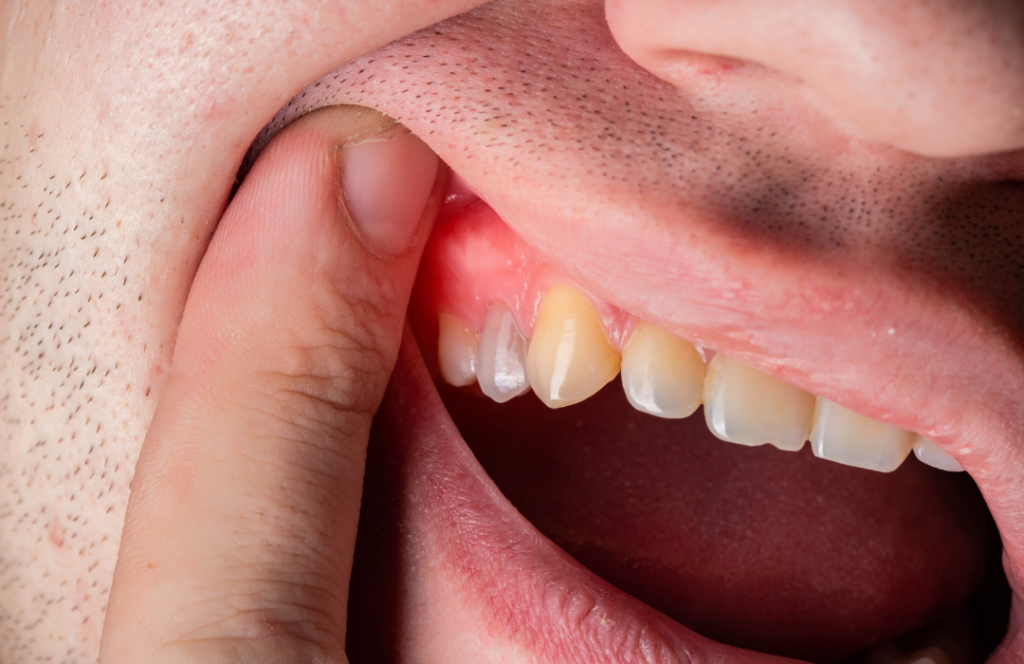
Learn how tartar, also known as dental calculus, affects your teeth and gums, and what you can do about it.
If you have ever felt that rough, hard buildup along your gumline or noticed yellowish deposits on your teeth, you are not alone. Tartar affects the vast majority of adults, but the good part is: it’s completely manageable with the right care and professional guidance.
While tartar on teeth can seem concerning, understanding what it is and how to address it puts you back in control of your oral health.
With proper prevention strategies and regular dental visits, you can keep tartar from impacting your smile and overall wellbeing.
At Dr. Elston Wong Dentistry, we regularly help patients manage and prevent tartar buildup with personalized care and advanced professional cleanings.
What Is Tartar?
Tartar, also called dental calculus, is essentially hardened plaque that has mineralized on your teeth.
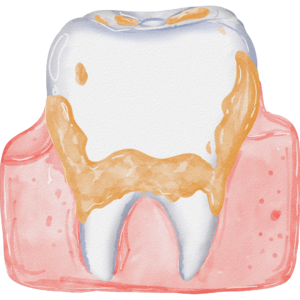
Think of it as plaque that has transformed from a soft, sticky film into a hard, cement-like deposit that bonds firmly to your tooth surface.
This transformation happens when the minerals naturally present in your saliva mix with bacterial plaque over time.
The process is entirely natural. Your saliva contains minerals like calcium phosphate that helps rebuild and strengthen tooth enamel.
These same beneficial minerals can combine with inadequately cleaned plaque to produce the hardened accumulations we call tartar.
Once formed, dental calculus creates a rough, porous surface that makes it even easier for more bacteria and plaque to accumulate.
The important thing to remember is that tartar formation does not mean you have failed at oral hygiene; it’s a common challenge that can be effectively managed with the right approach.
Is Tartar a Concern for You?
You might be wondering whether tartar is something you need to worry about. Realistically, the vast majority of people will deal with tartar buildup to some extent over the course of their lives.
This is especially common if you have areas in your mouth that are harder to clean thoroughly, consume foods high in sugars or starches regularly, experience dry mouth from medications, use tobacco products, or have naturally higher mineral content in your saliva.
Tartar teeth issues are most common near the lower anterior teeth and upper molars, locations that coincide with major saliva-producing glands.
You may observe this as yellow, brown, or darker deposits forming at the gum margin.
If you are noticing signs of tartar on your teeth, Dr. Wong and his team can assess your oral health and recommend the best course of action.
What Is Tartar Made Of?

Tartar is composed of hardened plaque mixed with minerals from your saliva. The main components include calcium phosphate minerals that naturally occur in saliva, bacterial biofilm from dental plaque, food particles and debris that get trapped, and proteins and other organic matter from your mouth.
Oral-health professionals sometimes call heavily coated areas calculus teeth, a shorthand for teeth that are hardened mineral deposits.
Above your gumline, tartar typically appears yellow to brown and contains more calcium phosphate minerals.
Beneath the gumline, calcified deposits appear considerably darker, frequently ranging from brown to black, due to the incorporation of blood elements and their distinct mineral composition.
The rough, porous texture of tartar is what makes it so problematic, providing the perfect environment for bacteria to stick and multiply.
What Causes Tartar on Teeth?

Tartar formation is a natural process that happens when plaque is not removed regularly through brushing and flossing.
Within 24 to 72 hours, the initial soft deposits begin to solidify through the incorporation of mineral components from saliva into the bacterial matrix.
Several factors can increase your risk of tartar buildup.
Food choices have a major impact; high-sugar and carbohydrate-rich meals fuel the bacteria present in plaque deposits.
Effective dental hygiene practices remain vital, as regions that escape thorough cleaning through brushing and flossing represent optimal sites for dental calculus development.
Dry mouth conditions can contribute to tartar formation, and smoking and tobacco use not only reduce saliva production but also create an environment that promotes bacterial growth and tartar accumulation.
Understanding tartar teeth formation helps you recognize when professional intervention becomes necessary.
How Does Tartar Affect Your Teeth and Gums?
Tartar is not just a cosmetic concern; it actively affects your oral health in several ways. The rough surface of dental calculus makes it much harder to clean your teeth effectively, creating a cycle where more plaque and bacteria accumulate.
Left unchecked, calculus teeth can trap even more bacteria, intensifying irritation in the surrounding gums
When tartar builds up along your gumline, it causes irritation and inflammation. Your gums may become red, swollen, or bleed easily when you brush or floss.
This is often the first sign of gingivitis, the earliest stage of gum disease.
Ongoing tartar accumulation can cause the gums to pull away from teeth, create deep pockets below the gumline where harmful bacteria thrive, produce persistent bad breath due to bacterial proliferation, elevate the likelihood of tooth decay, and progress to severe periodontal conditions if not addressed.
How Dentists Spot Tartar?
Detecting tartar is one of the easiest things your dentist does during a routine checkup. Dental calculus is visible to the naked eye, appearing as hard, discoloured deposits on tooth surfaces.
During your checkup, your dentist will employ a small dental mirror and probe instrument to inspect all tooth surfaces, concentrating especially on sites prone to tartar formation.
At Dr. Elston Wong Dentistry, tartar detection is part of every routine exam. With years of experience treating patients in Barrie, Dr. Wong uses gentle yet thorough methods to identify and address its buildup before it becomes a problem.
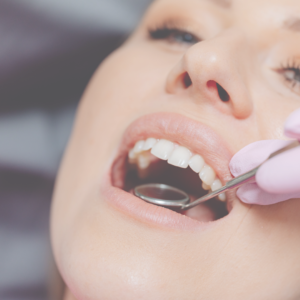
This examination is completely painless and takes just a few minutes. Your dentist can identify tartar buildup early, before it leads to more serious problems like gum disease or tooth decay.
Regular dental consultations every six months provide opportunities for your dentist to identify tartar development at its onset.
What You Can Do About Tartar
The most important thing to understand about tartar is that once it forms, it cannot be removed by brushing, flossing, or any home remedies.
This does not mean you are powerless; there are effective treatments available.
Professional removal is the only effective way to eliminate dental calculus once it has formed.
The standard treatment is a professional dental cleaning, also called scaling. During this routine procedure, your dental hygienist uses specialized instruments to carefully remove tartar from above and below your gumline.
The process is typically comfortable, and many patients find it satisfying to see how smooth and clean their teeth feel afterward.
If tartar buildup has led to gum disease, your dentist might recommend additional treatments like deep cleaning or other periodontal therapies. These treatments focus on healing your gums and preventing further problems.
What Happens After Tartar Removal?
After professional tartar removal, most patients notice an immediate improvement in how their teeth look and feel. Your teeth will be smoother, your gums less irritated, and your breath fresher.
The healing process continues over the following days and weeks, with inflamed gums returning to health.
This is also the perfect time to establish or refine your home care routine. With the tartar removed, your brushing and flossing will be much more effective at preventing future buildup. Remember: it’s never too late to improve your oral health.
Many patients report how refreshing their mouth feels after just one visit. Dr. Wong emphasizes prevention and education, ensuring each patient leaves with a clear plan for keeping tartar at bay.
How to Stop Tartar Before It Starts
Prevention is always easier and more comfortable than treatment. Brush effectively twice daily with fluoride toothpaste, paying extra attention to the gumline where tartar commonly forms.
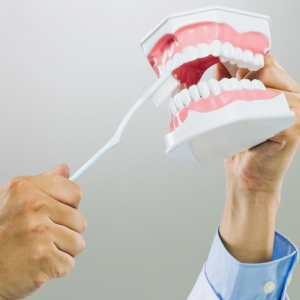
Floss daily to remove plaque from between teeth where tartar often develops. Choose tartar-control toothpaste that contains ingredients specifically designed to slow mineral buildup. Limit sugary and starchy foods, stay hydrated to maintain healthy saliva flow, and avoid tobacco products.
How Often Should You See a Dentist?
Most dental professionals recommend checkups and cleanings every six months for optimal oral health. This frequency allows your dentist to remove any tartar buildup before it becomes a bigger problem.

Some people may benefit from more frequent visits, every three to four months, especially if they have a history of gum disease or form tartar quickly despite good home care.
FAQs (Frequently Asked Questions)
Q – Plaque vs. tartar: What’s the difference?
Plaque is a soft, sticky film that can be removed with brushing. Tartar is hardened plaque that requires professional treatment. If tartar is flaking off, you likely have significant buildup that needs professional cleaning to remove all remaining deposits safely.
Q – Is tartar removal painful?
Modern tartar removal techniques are generally comfortable, with only mild pressure or vibration during the cleaning process.
Q – Why do I have black tartar on my teeth?
Black tartar on your teeth is typically subgingival calculus—tartar that forms below your gumline. Unlike the yellowish-brown tartar you might see above your gums, this darker variety gets its distinctive colour from several factors:
– Blood components: When tartar forms below the gumline, it incorporates blood from inflamed or bleeding gums, giving it a darker appearance
– Different mineral composition: Subgingival tartar contains different minerals and proteins compared to above-the-gum deposits
– Age of the deposit: Older tartar tends to become darker over time as it absorbs more organic matter
– Bacterial byproducts: Certain bacteria produce pigments that can darken the tartar
Black tartar is often a sign of gum disease (gingivitis or periodontitis) because it indicates that bacteria have been active below your gumline for an extended period. The presence of blood in the tartar suggests your gums have been inflamed and bleeding, which is your body’s response to bacterial irritation.
Important note: Black tartar requires professional attention not just for cosmetic reasons, but because it indicates more advanced buildup that can lead to serious gum problems if left untreated.
Q – Is tartar removal painful?
Tartar removal is generally not painful with modern dental techniques. Here’s what you can expect:
During the Procedure –
- Mild pressure or vibration: You’ll feel the dental instruments working, but it shouldn’t cause significant discomfort
- Slight sensitivity: Some areas, especially near the gumline, might feel more sensitive
- Tickling sensation: The ultrasonic scalers used today create a gentle vibration that many patients find tolerable
Factors That Affect Comfort
- Amount of buildup: Heavier tartar deposits may require more time and pressure to remove
- Gum health: Inflamed gums tend to be more sensitive during cleaning
- Location: Areas below the gumline may be more sensitive than above-the-gum surfaces
- Individual sensitivity: Some people naturally have more sensitive teeth and gums
Q – Can a Waterpik remove tartar?
No, a Waterpik cannot remove tartar once it has hardened and bonded to your teeth.