


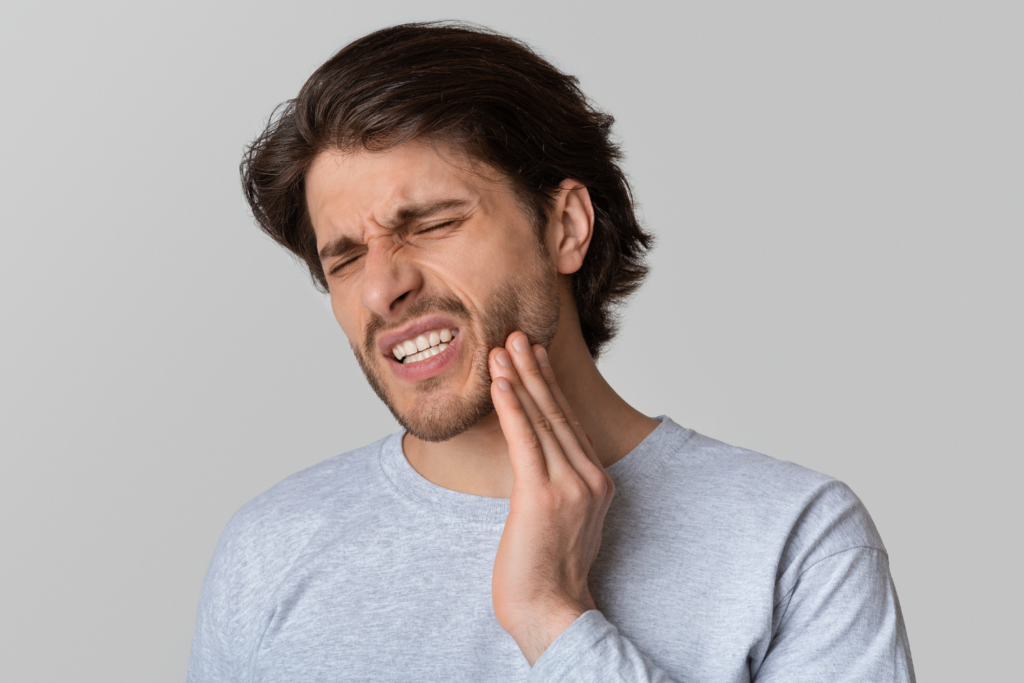
Discover the causes, symptoms, and solutions for toothache, from sensitivity to infection, and when it’s time to visit a dentist.
If you are feeling discomfort or pain in your mouth right now, you are not alone. At one time or another, most people face a toothache, and it’s normal to feel unsettled by it.
Understanding what’s happening can help you feel calmer and more in control. Let’s go over some of the usual causes of tooth pain and how you can manage them.
What is a Toothache?
A toothache is not just a minor inconvenience; it can disrupt sleep, meals, and confidence. It could be a steady, bothersome ache or a sharp flash of pain, lasting briefly or refusing to ease up. When your teeth hurt, it’s a real signal your body needs attention. Whether it’s a throb, twinge, or constant ache, it’s important to pause and take your pain seriously.
Toothache Causes

When you understand why your teeth hurt, it feels a little less overwhelming. Here are the usual culprits to help you connect the dots:
Is It Possible That the Teeth Are Sensitive?
Tooth sensitivity is one of the most frequent reasons for sudden pain. If biting into ice cream or sipping hot drinks triggers discomfort, the underlying cause may be exposed dentin, receding gums, or enamel wear.
When cold or sugary foods make your teeth twinge, it’s more than just irritation; it’s a warning sign from your mouth.
Is It Possible That the Tooth Is Damaged?
Cavities, cracks, or trauma can leave nerves exposed. Don’t underestimate small cavities. The pain from even a small issue can feel stronger than you’d think.
Do You Engage in Bruxism?
Grinding or clenching (bruxism) may occur unconsciously, especially at night. Over time, this can strain your teeth and trigger discomfort or a toothache.
Stress and anxiety often drive bruxism, and compassionate dental care like what is offered at Dr. Wong’s Barrie clinic can address both relief and prevention.
Is It Wisdom Teeth?
Wisdom teeth pushing through the gums often create pressure, swelling, or sharp pain at the back of your mouth. If you are a young adult, you are more likely to experience this kind of discomfort.
Is the Issue External to Your Oral Cavity?
Sometimes, tooth pain actually starts elsewhere. Sinus infections, earaches, or nerve conditions can “refer” pain to your teeth. If relief isn’t found after addressing dental issues, a broader medical check may be valuable.
Types of Toothaches

Toothaches don’t all feel the same. You might experience:
- Throbbing pain: Often signals infection or severe inflammation
- Sharp pain: Can be a sign that the nerve is irritated or the tooth has been damaged.
- Dull, constant ache: Possible result of grinding or chronic trauma
- Intermittent pain: Sometimes linked to sensitivity or early decay
Each type gives clues about the underlying cause, but only a dental professional can confirm it.
Toothache Symptoms

Along with pain, you might notice:
- Swelling of the gums or face
- Sensitivity to hot, cold, or sweet foods
- An unpleasant taste or bad breath that lingers
- Fever or general unwellness
- Difficulty chewing or opening your mouth fully
- Fever, chills, or malaise
If these symptoms sound familiar, it’s a sign to seek care rather than wait it out.
Management and Treatment
What Methods Do Dentists Use to Treat Toothaches?
Treatment begins with an exam and sometimes an X-ray to uncover the cause. At Dr. Elston Wong Dentistry in Barrie, the focus is always on listening to your concerns and creating a thoughtful plan that addresses pain and restores health.
Painkillers for Tooth Pain
Over-the-counter painkillers such as ibuprofen or acetaminophen can ease the discomfort for a while, even though they don’t solve the underlying issue.
Dental Restorations
Fillings and restorations repair cavities and stop decay from spreading, relieving sensitivity and pain.
Crowns for Teeth
When a tooth is cracked or fragile, a crown can strengthen it and bring back normal function.
Inlays and Onlays
These custom solutions repair specific damage with precision, often preserving more of your natural tooth.
Endodontic Treatment
If the inside of a tooth becomes infected or inflamed, a root canal can help preserve it. Despite its reputation, modern endodontic care is designed to be comfortable.
Tooth Extractions
If a tooth can’t be saved, removal may be the kindest option. Extraction often brings quick relief and prevents further complications.
Home Toothache Remedies
While waiting for an appointment or deciding on care, simple remedies can help:
- Rinse with warm saltwater to reduce bacteria and swelling
- Apply a cold compress to your cheek for temporary relief
- Use clove oil carefully for its mild numbing effect
- Avoiding very hot, cold, or sugary foods
- Resting at an angle with your head raised may lessen the pressure you feel.
These toothache remedies don’t replace professional care, but they can provide comfort in the meantime.
Final Thoughts
Dr. Wong believes that pain is not just a symptom; it’s a story and your body’s way of asking for help.
A toothache may feel overwhelming, but it’s not just you, and relief is possible. Home remedies and over-the-counter medications can help, but lasting solutions come from identifying and treating the cause. If you are in Barrie, Dr. Elston Wong and his team are here to listen, guide, and provide care that restores comfort and confidence in your smile.
Frequently Asked Questions on Toothaches
Q – When is it advisable to consult a dentist?
If the pain lingers beyond a day or two, or if it interferes with eating, sleeping, or focusing, it’s time to see a professional.
Q – Under what circumstances should one seek emergency care for a toothache?
Severe pain, swelling that spreads to the face or neck, fever, or difficulty swallowing are all dental emergencies. In such cases, prompt attention—like that provided at Dr. Elston Wong Dentistry, can prevent complications.
Q – Is it possible for a toothache to resolve spontaneously?
Sometimes the pain eases, especially if it’s caused by sinus pressure or minor irritation. Still, it’s wise to have it checked.
Q – How can one determine the type of toothache experienced?
Start by describing the pain: sharp, dull, throbbing, constant, or occasional. Dentists use your description alongside exams to pinpoint the cause.