


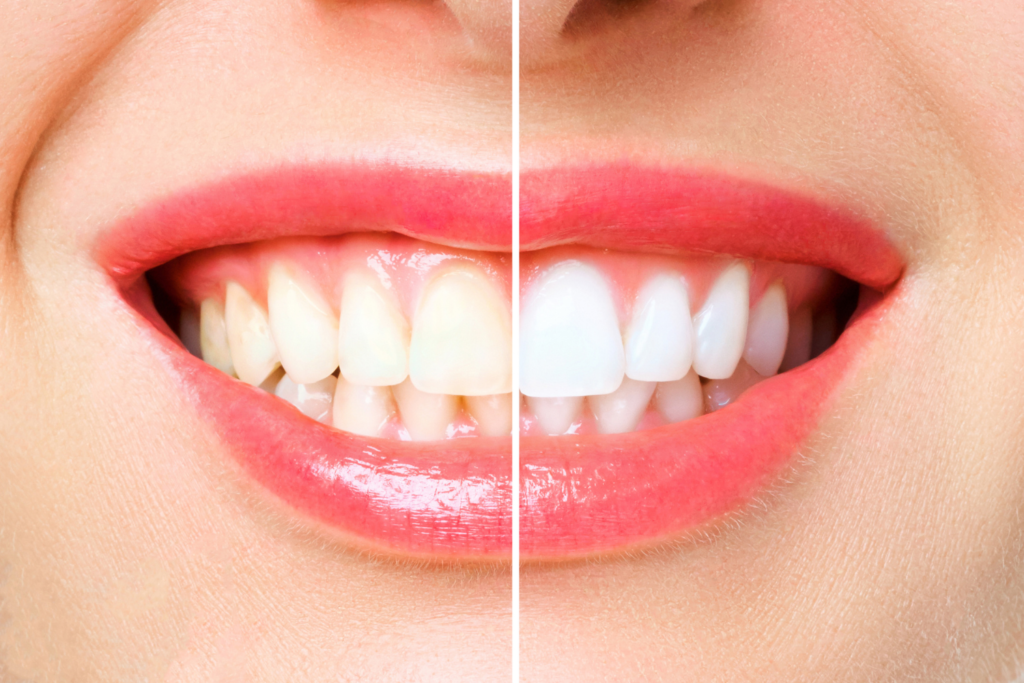
Discover why teeth lose their colour and what you can do to restore your confident smile.
Noticing your teeth change colour can be unsettling. One day, you are smiling without a second thought, and the next, you catch yourself covering your mouth because your teeth look yellow or dull.
The truth is, tooth discolouration is incredibly common, and most of the time, it’s also very treatable.
At his clinic in Barrie, Dr. Elston Wong often reminds patients that a change in tooth colour does not always mean something is wrong, but it does mean it’s worth understanding. Let’s break down what tooth discolouration really is, why it happens, and how you can get back to feeling confident in your smile.
What Is Tooth Discolouration?
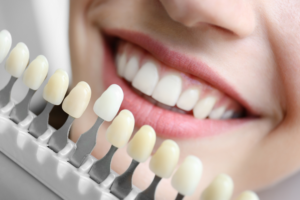
Tooth discolouration refers to any change from the natural white shade of your teeth. It can show up in different ways: your teeth might look yellow, have brown spots, take on a grey shade, or even develop black areas depending on the cause.
Some discolouration happens gradually over time, while others appear suddenly after an injury or illness.
The good news? Most types of tooth discolouration can be corrected, sometimes with simple cleaning, other times with professional treatments.
What Causes Tooth Discolouration?
Discolouration is not just about coffee or smoking (though those play a role). Here are the main causes:
Extrinsic Stains
External stains come from the things touched by your teeth daily. Sipping coffee, tea, or red wine? Smoking or using tobacco? These habits can deposit colour right on the tooth’s surface, dulling its shine over time.
Intrinsic Stains
Intrinsic stains are deeper, affecting the structure inside the tooth itself. These may be triggered by physical trauma or certain medications taken during tooth development, like tetracycline antibiotics.
Age-Related Discolouration
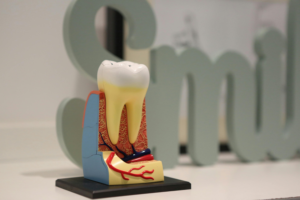
As we get older, the outer enamel layer slowly thins out, which makes the naturally yellow dentin underneath more visible. That is why teeth often start looking darker with age.
Dental Trauma
An injured tooth may change colour because the inner pulp starts bleeding or breaks down, leaving the tooth looking darker than the rest.
Poor Oral Hygiene
Skipping brushing and flossing lets plaque and tartar build up. These can create yellow or dark stains that become harder to remove without professional help.
Medications
Some antibiotics (especially tetracycline), antihistamines, and even cancer treatments can affect the way teeth develop and their eventual colour.
Genetics
Teeth come in many shades. Sometimes the colour of your teeth is simply inherited. If your enamel is naturally thinner or more translucent, it can make teeth look more yellow.
Symptoms of Tooth Discolouration
The signs are mostly what you see, but they don’t always look the same for everyone.
- Gradual yellowing across several teeth
- Brown spots or lines near the gumline
- A single grey or black tooth
- A general dullness that makes teeth look less bright
If changes happen quickly or resist normal brushing, Dr. Wong recommends scheduling a dental assessment to rule out more serious issues.
Treatment Options for Tooth Discolouration
The right solution depends on the cause, but the key takeaway is this: discolouration is almost always fixable.
Professional Teeth Whitening
Performed in-clinic, whitening treatments deliver fast, noticeable results. They work better than over-the-counter strips since dentists use stronger, yet safe, whitening solutions and monitor the process carefully.
Veneers
Thin porcelain shells that cover the front of your teeth, ideal for deep stains or when whitening isn’t enough.
Crowns
If discolouration is paired with significant decay or cracks, a crown restores both function and appearance.
Bonding
A tooth-coloured resin is applied to smaller discoloured areas, great for localized issues.
Dr. Wong often personalizes treatment plans based not only on the type of stain but also on a patient’s goals, whether they want a cosmetic fix or a long-term restorative approach.
Tooth Discolouration Prevention
Thinking about how to prevent tooth discolouration? The answer comes down to a few everyday habits.
- Brush twice a day and floss daily
- Rinse after coffee, tea, or wine
- Avoid smoking or chewing tobacco
- Schedule professional cleanings at least twice a year
- Use a straw for darker beverages to minimize contact with enamel
These habits go a long way in keeping your smile bright.
Different Tooth Colour Meanings
Not all tooth discolouration means the same thing. Here’s what different colours might signal:
- Yellow: enamel thinning, natural dentin showing
- Brown: tartar buildup, possible decay
- Grey: past trauma or internal damage
- Black: often linked to severe decay, old fillings breaking down, or heavy staining.
When a single tooth stands out in colour, it’s usually best to see your dentist quickly.
Tooth Discolouration – Care and Treatment
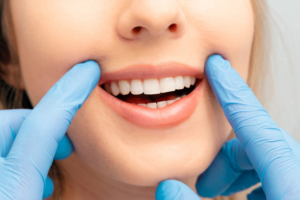
Addressing discolouration is not just about looks. Sometimes it’s an early sign of bigger dental problems. Regular cleanings, restorative dental care, and cosmetic solutions all work together to maintain both health and aesthetics.
At his Mapleview West clinic in Barrie, Dr. Wong blends both cosmetic and restorative treatments, ensuring that patients don’t just leave with whiter teeth, but with healthier ones too.
How Can I Fix Discoloured Teeth at Home?
You have probably heard about baking soda, whitening toothpastes, or charcoal powders. While these may help mild surface stains, they won’t touch intrinsic or age-related discolouration.
The bottom line: home remedies can only go so far. For reliable results, professional care is the safest and most effective route.
Can I Prevent This?
Yes, absolutely. Prevention comes down to good habits:
- Limit staining foods and drinks
- Brush and floss consistently
- Quit smoking
- See your dentist regularly
Prevention may not stop natural age-related changes, but it can delay them significantly.
Final Word
Tooth discolouration can feel discouraging, but it does not have to define your smile. Whether the issue is surface-level staining or something deeper, effective treatments exist, and the earlier you address it, the better the results.
If you are in Barrie and concerned about tooth discolouration, scheduling a consultation with Dr. Wong is a smart first step. His patient-focused approach ensures that your treatment plan fits both your needs and your comfort.
Frequently Asked Questions
Q – When should I call my dentist?
If stains don’t fade with brushing, or if one tooth changes colour suddenly.
Q – Why is one of my teeth suddenly discoloured?
It could be trauma, internal decay, or a dying nerve. Professional evaluation is key.
Q – Can a discoloured tooth recover naturally?
Surface stains might. Internal discolouration usually requires treatment like whitening, bonding, or veneers.